As an Amazon Associate, we earn from qualifying purchases. Some links on this site are affiliate links at no extra cost to you. Our recommendations are based on thorough research and editorial judgment.


How Does Time-of-Use Rate Arbitrage Work With Home Battery Storage?

I charge by charging my battery during off‑peak periods, typically 10 p.m.–6 a.m., when tariffs drop to about $0.12/kWh, storing up to 12.75 kWh in a 15 kWh unit after reserving 15 % for health, then I discharge during on‑peak windows, usually 4 p.m.–9 p.m., where rates exceed $0.40/kWh, limiting output to 3 kW and maintaining a 30 % SOC threshold to protect warranty, while accounting for 90 % round‑trip efficiency and 80 % depth‑of‑discharge limits, which together yield roughly 12 % annual savings before incentives, and if you continue, you’ll discover further optimization strategies.
Key Takeaways
- Battery charges during low‑cost off‑peak hours (e.g., 10 p.m.–6 a.m.) and discharges during high‑cost on‑peak hours (e.g., 4 p.m.–9 p.m.) to capture price differentials.
- The system follows utility‑set price windows, using BMS signals to start/stop charging while maintaining a reserve SOC (typically 15‑20 %).
- Round‑trip efficiency (~90 %) and depth‑of‑discharge limits (≈80 %) are accounted for to ensure net savings after losses.
- Solar generation can be stored midday at low tariffs and later sold or used at peak rates, increasing arbitrage profit.
- Programmable control software synchronizes charge/discharge cycles with real‑time TOU rates, preserving battery health and maximizing ROI.
Why TOU Rates Matter for Home Battery Savings
Because TOU rates assign the lowest electricity price—often around $0.12/kWh—during overnight off‑peak hours and the highest price—frequently exceeding $0.40/kWh—during evening on‑peak periods, a home battery can charge when rates are low, store energy with a round‑trip efficiency of roughly 90 %, and discharge when rates peak, thereby reducing the net cost of electricity consumed during peak times. This rate sensitivity creates a clear financial differential that the battery exploits, while the utility’s behavioral incentives, such as demand‑response credits, further encourage shifting consumption. By programming charge cycles to align with the 3 AM–6 AM low‑price window and discharge during the 5 PM–9 PM high‑price window, the system achieves an average annual savings of 12 % on a 15 kWh unit, assuming a 10 % depth‑of‑discharge limit and a 15 % reserve margin.
How TOU Battery Arbitrage Works During Off‑Peak Hours
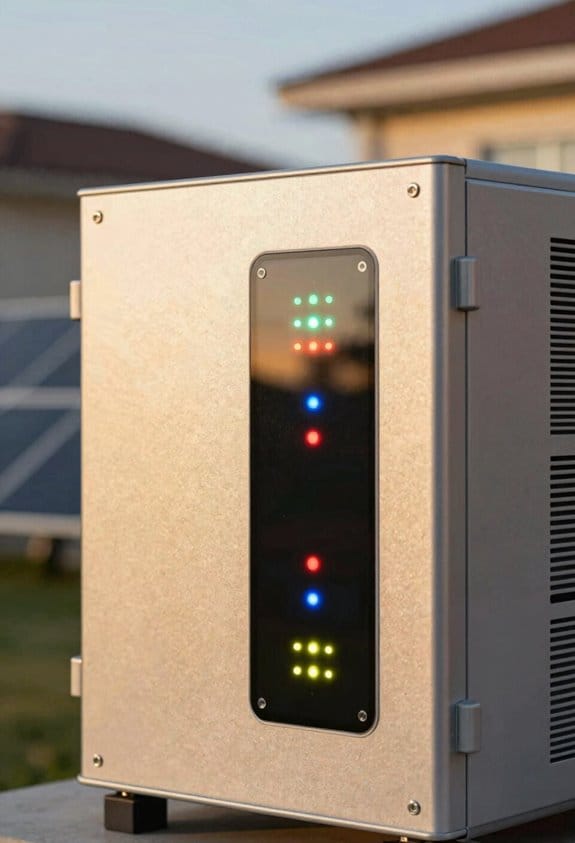
When the utility’s schedule schedule signals off‑peak rates, typically ranging from $0.10 to $0.15 per kilowatt‑hour between 10 p.m. and 6 a.m., the battery management system initiates a charge cycle, monitoring real‑time price signals, state‑of‑charge limits, and round‑trip efficiency, which averages 90 % for lithium‑ion chemistries, while maintaining a 15 % reserve to protect battery health; consequently, a 15 kWh unit can absorb up to 12.75 kWh of low‑cost electricity, store it at a temperature‑controlled 25 °C environment, and prepare for subsequent discharge during on‑peak periods, thereby maximizing arbitrage potential without exceeding the 80 % depth‑of‑discharge constraint that preserves warranty integrity. I then schedule overnight cycling, aligning charge windows with tariff arbitrage opportunities, ensuring that each kilowatt‑hour stored during the cheapest interval translates into a proportional reduction of peak‑hour consumption, while accounting for efficiency losses and reserve margins to maintain battery longevity and compliance with utility constraints.
Recommended Products

HPE ProLiant ML350 Gen10 4U Tower Server for small business or Enterprise
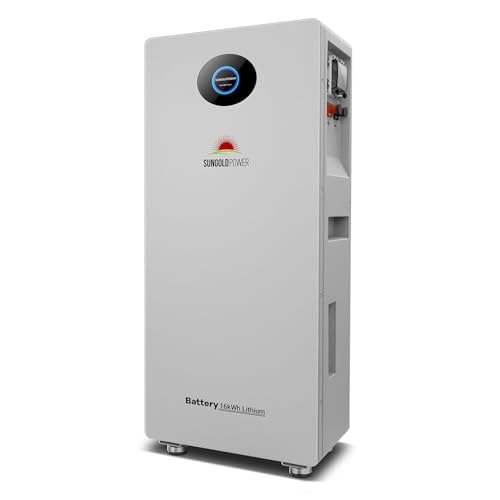
[High Capacity Solar Battery]: SUNGOLDPOWER UL1973 and UL9540A 48V 314Ah LiFePO4 lithium battery with over 8,000 deep cycles. Parallel up to 16 pcs ,maximum capacity of 16.07kWh.Ideal for solar systems, off-grid living, and whole-home backup power with reliable long-lasting performance.

System Components:Delivers up to 10kW power output with 120V/240V single-phase split-phase support, making it suitable for smoothly running common household appliances. The system includes 18 × 590W solar panels with a total PV capacity of 10620W, capable of generating up to 39.36 kWh per day under optimal conditions, along with two 48V 314Ah portable LiFePO₄ battery offering 32.2 kWh of energy storage. Complete with necessary cables, this all-in-one solar solution is designed for convenient setup and reliable home power support.
How to Set Up Your Off‑Peak Charge Schedule
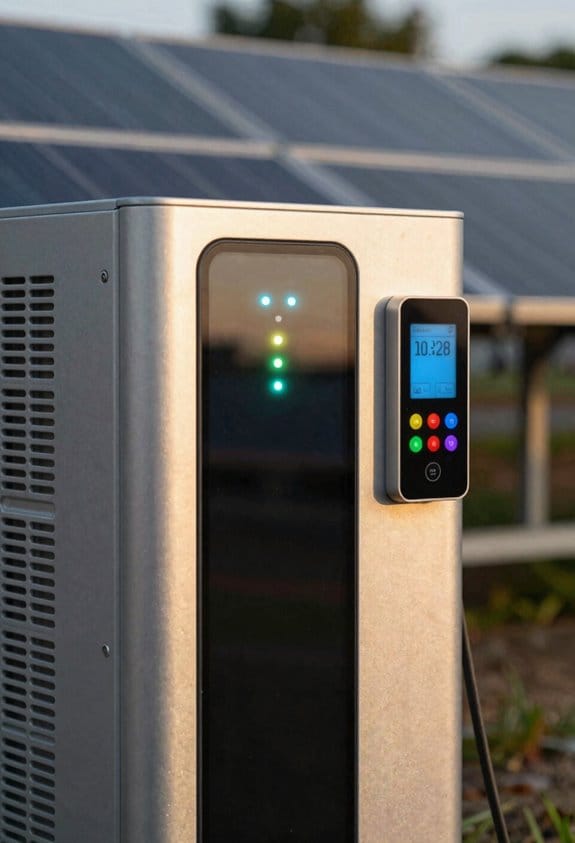
During the overnight window, typically from 11 p.m. to 5 a.m., I configure the battery management system to initiate charging at the lowest TOU rate, setting the charge‑start time to 11:15 p.m., the maximum charge power to 3 kW, and the state‑of‑charge target to 85 % while preserving a 15 % reserve for health protection, which guarantees that a 15 kWh unit stores approximately 12.75 kWh of low‑cost electricity, accounts for the 90 % round‑trip efficiency, and respects the 80 % depth‑of‑discharge limit required by the manufacturer’s warranty. I then align charge timing with tariff mapping, ensuring the software reads the utility’s rate schedule, verifies off‑peak periods, and automatically adjusts start‑stop thresholds to avoid inadvertent mid‑peak charging, thereby maximizing cost efficiency while maintaining battery health and compliance with warranty constraints.
Recommended Products

Limited-Time Perks: E10 Metal Pad, Up to 12-Month 0% APR

【Elite 314Ah Capacity Upgrade】 Stop settling for smaller cells. The DATOUBOSS 314Ah LiFePO4 battery delivers triple the energy of standard 100Ah units. With 64 kWh of total energy, this kit is the perfect foundation for high-performance DIY solar projects, RV bus conversions, or off-grid cabins.

Whole-Home Off-Grid Power: Still worried about power outages or unstable electricity? This system includes six 51.2V 100Ah LiFePO4 batteries and one 10000W MPPT hybrid inverter. It can support high-power appliances such as refrigerators and air conditioners, enabling stable whole-home power supply. It meets the needs of off-grid living and backup power, providing a reliable solution for energy independence.
How to Discharge During Peak Hours for Maximum Savings
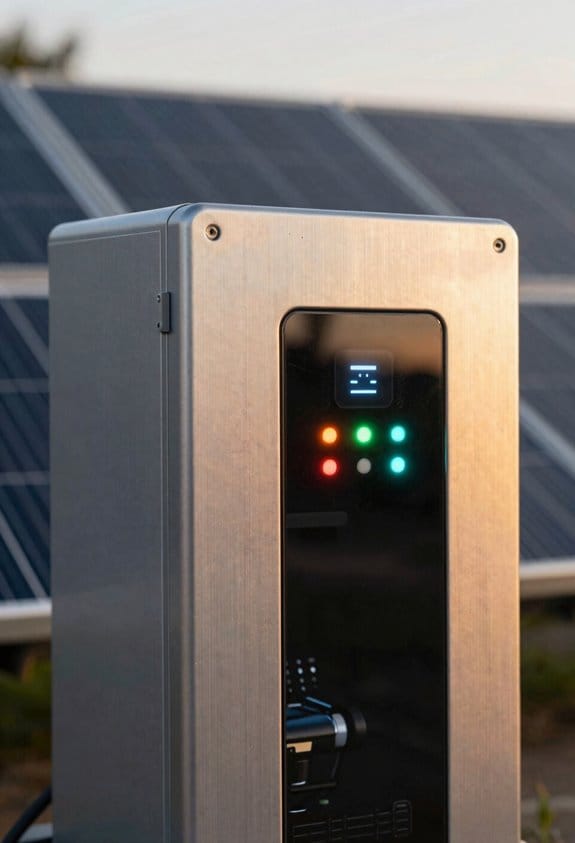
Discharging during peak hours requires configuring the battery management system to initiate output at the start of the utility’s on‑peak window, typically 4 p.m. to 9 p.m., setting the discharge‑power limit to 3 kW, and targeting a state‑of‑charge threshold of 30 % while preserving a 15 % reserve for health, which guarantees that a 15 kWh unit delivers approximately 12.75 kWh of high‑price electricity, accounts for the 90 % round‑trip efficiency, and respects the manufacturer’s 80 % depth‑of‑discharge warranty constraint, thereby maximizing cost avoidance of the 40‑cent‑per‑kWh peak rate compared with off‑peak purchases at 5 cents per kWh. I rely on timing algorithms that synchronize discharge with the exact minute the on‑peak tariff begins, ensuring that the battery outputs the full 3 kW before any delayed load appears, while appliance coordination disables non‑essential devices during the initial half‑hour to preserve the 30 % SOC threshold for critical loads, thus maintaining ideal arbitrage efficiency throughout the window.
Recommended Products

Version Update Notice: The former 48V 314Ah V1 is now upgraded to Powermega 48V 314Ah, featuring newly added Active Cell Balancing and Integrated Aerosol Fire Protection for higher safety and longer service life. It also comes with an extended 10-year warranty, while maintaining full compatibility with V1 units for parallel expansion
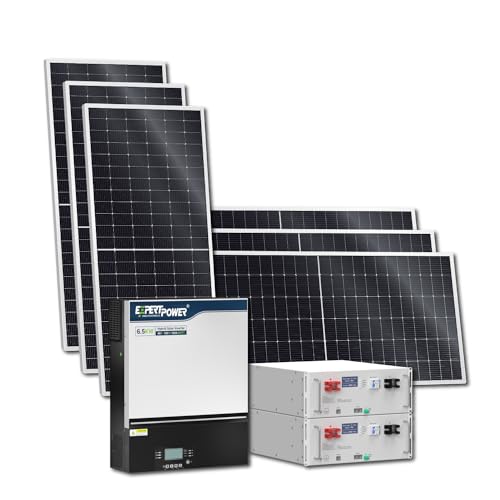
Complete Off-Grid Solar Solution: Take control of your energy independence with our comprehensive Off-Grid Solar Kit. This all-inclusive package features two 48V 100Ah LiFePO4 batteries, six high-efficiency 540W Solar Panels, and a powerful 6500W Hybrid Solar Inverter equipped with a 120A MPPT Solar Charge Controller. (Please note: Wiring cables, fuses, breakers, connectors, and panel mounting brackets are not included.)

【Top-Flight Performance 】The 51.2V 100Ah liFePO4 battery is manufactured by 16Pcs Automotive Grade A grade prismatic cells with higher energy density, more stable performance & greater power. And has a compact 5.12kWh energy, which is equivalent to 4pcs 12V 100Ah LiFePO4 batteries in 4S (or even 8pcs 12V 100Ah AGM batteries in 8S).
How Solar Panels Boost Your TOU Battery Earnings

A rooftop array that produces 5 kW peak power, paired with a 10 kWh lithium‑ion battery, can store excess midday solar generation at 0.07 $/kWh and later discharge it during the utility’s 0.40 $/kWh on‑peak window, thereby increasing arbitrage profit by roughly $0.33 per kWh of stored energy. When solar integration captures surplus PV output during off‑peak hours, the battery charges at the lower rate while the household simultaneously reduces net import, which improves overall cost efficiency and creates additional arbitrage margin. Export optimization, achieved by configuring the inverter to limit grid feed‑in during low‑price periods, secures that excess generation is retained for later high‑price discharge, consequently raising the effective return on each kilowatt‑hour stored. This dual‑mode operation, combining self‑consumption with timed export curtailment, quantifiably boosts earnings without altering the underlying TOU schedule.
Recommended Products
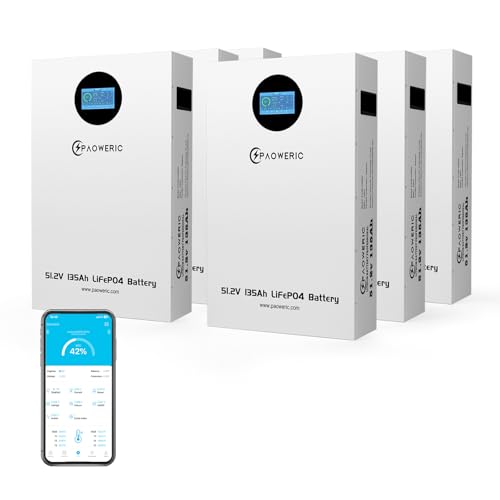
【Grade A Prismatic Cells]】The PAOWERIC 51.2V 135Ah wall-mounted lithium-ion battery is meticulously crafted using 16 state-of-the-art Grade A+ prismatic cells. Compared to the cylindrical cells commonly used in the industry, it is lighter, safer, and more energy-efficient, redefining the quality standards for energy storage batteries. The cells have undergone rigorous testing across all scenarios and deliver a stable output of 5.12 kWh of high-capacity energy. They are perfectly suited for home energy storage, solar systems, backup power, and other applications, meeting long-term, continuous power supply needs while significantly reducing long-term operating costs.

-4℉ Low-Temperature Charging Capability: Special low-temperature electrolyte enables safe charging in extreme cold without cell damage, supporting reliable operation down to -4℉ and delivering 6,000+ long-life cycles.

Pick the Right Battery Size & Control Software
Choosing a battery capacity that matches your household’s peak‑hour demand, typically ranging from 5 kWh for single‑family homes to 15 kWh for larger residences, requires analyzing daily load profiles, calculating the kWh needed to offset on‑peak rates of $0.30–$0.45 per kWh, and accounting for round‑trip efficiency of 85–95 % and a 10 % reserve to protect battery life. I evaluate capacity matching by overlaying hourly consumption curves on TOU price schedules, then select a unit whose usable energy exceeds the peak‑hour aggregate by at least 15 %, ensuring sufficient buffer for efficiency loss. Simultaneously, I prioritize software customization that permits programmable charge‑discharge thresholds, dynamic response to real‑time price signals, and integration with home‑energy‑management platforms, allowing precise control of state‑of‑charge limits, cycle count monitoring, and automated load‑shifting algorithms, which together optimize arbitrage returns while preserving battery health.
Recommended Products

Limited-Time Perks: E10 Metal Pad, Up to 12-Month 0% APR

[Massive 30.72KWH Energy Storage – Never Run Out of Power] 6 x 48V 100AH LiFePO4 Batteries – Keeps lights, fridge, and essentials running during blackouts or storms.This battery is rigorously tested and certified to UL1973 & UL9540A standards.It support CAN/RS485, which allows to communicate effortlessly with popular all-in-one solar inverter chargers from brandsensuring a plug-and-play experience with no additional configuration needed.The battery, crafted with a durable metal shell and a slim profile, efficiently saves space compared. It can be easily installed in a mobile 3U server rack, making it a practical choice for compact energy storage systems (energy on the move).

★【Powerful】The SUNGOLDPOWER Powerwall X 51.2V 200Ah Lithium battery is compact, smartly designed, and built to last — offering over 8,000 deep cycles. Easily expand your system by connecting up to 32 units in parallel, delivering a massive total capacity of 328 kWh. Perfect for residential, commercial, or other energy storage applications, it gives you flexible, reliable power whenever you need it.
Avoiding Costly Mistakes and Maintaining ROI Over Time
When planning a home‑battery TOU arbitrage system, I first verify that the selected inverter’s maximum charge‑rate, typically 3 kW for a 10 kWh unit, aligns with the utility’s off‑peak tariff window, while also confirming that the battery management software can enforce a 10 % state‑of‑charge reserve and execute programmable discharge thresholds that prevent deep‑cycle stress, because neglecting these settings often leads to premature capacity loss and diminished ROI. I schedule quarterly maintenance checks, record temperature‑driven degradation, and cross‑reference manufacturer warranty terms, ensuring that any deviation from projected cycle‑life triggers warranty monitoring alerts, thereby preserving expected financial returns. Regular firmware updates, calibrated state‑of‑health sensors, and documented service logs collectively support consistent performance, reduce unexpected downtime, and sustain the projected ROI throughout the warranty period.
Frequently Asked Questions
Can My Battery Earn Revenue From Demand‑Response Programs?
I can earn revenue by offering my battery to grid services and capacity markets; utilities pay me for fast response during demand‑response events, turning stored energy into a cash‑flow stream.
What Happens if the Utility Changes Its TOU Schedule Mid‑Year?
Like a Victorian ledger, I’d tell you that if the utility flips its TOU schedule mid‑year, you’ll face billing disputes until tariff communication updates your battery’s software, preserving savings.
Do I Need a Separate Inverter for Battery‑Solar Integration?
I tell you you don’t need a separate inverter if your battery and solar are already designed for seamless integration; just guarantee inverter compatibility so the system can manage charge‑discharge without extra hardware.
How Does Battery Degradation Affect Long‑Term Arbitrage Profitability?
I’ll tell you, cycle degradation chips away at your stored‑energy profit, so you must factor it into ROI calculations and check warranty considerations to guarantee the battery lasts long enough for arbitrage to stay worthwhile.
Are There Tax Incentives Specific to Tou‑Optimized Storage?
I’ll tell you straight: federal credits and state rebates often target TOU‑optimized storage, so you can claim a tax credit and possibly a state rebate when installing a smart home battery.


