As an Amazon Associate, we earn from qualifying purchases. Some links on this site are affiliate links at no extra cost to you. Our recommendations are based on thorough research and editorial judgment.


What Permits Do You Need to Install Solar Panels?

I need a building permit when the PV array exceeds 100 ft², involves roof penetrations, or adds load beyond the roof’s design capacity, and the structural review must include load‑bearing calculations, wind uplift (0.75) and snow‑load (1.2) factors per the International Building Code, with engineering drawings signed, sealed, and submitted with fees; an electrical permit requires a one‑line diagram, NEC‑2020 rapid‑shutdown sized for the array’s maximum DC current, conduit fill compliance, and ground‑fault protection, all labeled and inspected before grid connection; a dedicated solar/PV permit is triggered at installations above 10 kW, when battery storage or structural modifications are present, and contractor licensing, liability insurance, and proof of permit are mandatory; the utility interconnection process follows IEEE 1547 compliance, protection‑coordination studies, and a conditional approval that leads to final energization after on‑site inspections, and the timeline progresses from pre‑installation structural checks through wiring and inverter verification to final seal of compliance, where further details await.
Key Takeaways
- Obtain a building/structural permit when the PV array exceeds 100 ft², adds roof penetrations, or increases roof load beyond design capacity.
- Secure an electrical permit with a one‑line diagram, NEC‑compliant wiring, rapid‑shutdown system, and any battery‑integration safety interlocks.
- Acquire a dedicated solar/PV permit if total installed capacity is over 10 kW, includes battery storage, or involves significant structural modifications.
- Ensure contractors hold required state General and Electrical Contractor licenses, NEC‑2020 certification, and $1 M liability insurance tied to the permits.
- Complete utility interconnection paperwork meeting IEEE 1547, net‑metering, and protection‑coordination study requirements for grid connection.
Which Building Permit Is Required for a Solar Installation?
Determine the building permit needed for a solar installation by reviewing local code definitions, which typically require a structural permit when the photovoltaic (PV) array exceeds 100 ft², incorporates roof penetrations, or adds load beyond the existing roof’s design capacity. I then check the roof permit requirements, confirming that any new racking, mounting hardware, or anchoring must be documented in a structural review, which includes load‑bearing calculations, wind uplift coefficients, and snow load factors as defined by the International Building Code. The structural review also mandates that the roof framing members be rated for the additional dead load, typically 5–10 lb/ft², and that the attachment method comply with manufacturer‑approved fasteners and seismic criteria. I compile these details into the permit package, ensuring all engineering drawings are signed, sealed, and submitted with the applicable fees.
Recommended Products

MADE IN THE USA! - Easy, rust-free installation with interlocking ends. Reinforced .018 gauge aluminum for durability. Multiple colors that seamlessly blend with your residential surroundings, stainless steel screws.

All-Weather Durability: Pro-Tect tested and proven to withstand up to 20,800 pounds or up to 30 inches of snow load, and winds up to 100 mph (product must be anchored as specified in the Backyard Discovery instruction manual)

All-Weather Durability: Pro-Tect tested and proven to withstand up to 15,900 pounds or up to 30 inches of snow load, and winds up to 100 mph
Electrical Permit Checklist: Wiring, Rapid‑Shutdown, and Code Compliance
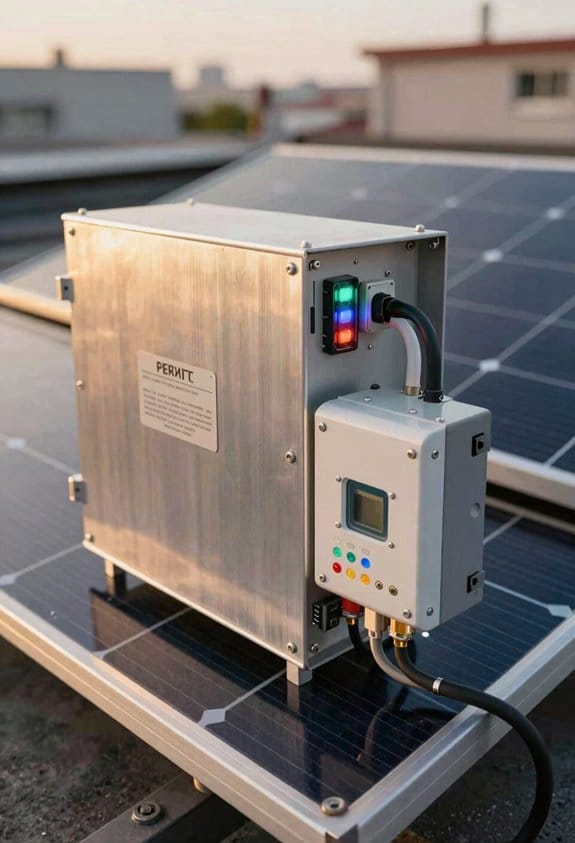
Gathering the required electrical documentation begins with compiling the one‑line diagram, which must display each module string, inverter, disconnect, and conduit run. I then verify that wiring labeling conforms to NEC Article 250, ensuring each circuit is identified by size, voltage, and function, while confirming inverter placement complies with clearance, ventilation, and fire‑rating requirements. The rapid‑shutdown system must be sized for the maximum DC current, typically 150 A for a 10 kW array, and integrated with an approved disconnect that isolates the array within 30 seconds. I cross‑check conduit fill percentages against Table 1 of Chapter 9, confirm ground‑fault protection per 690.13, and document all code‑referenced calculations in a single packet, ready for the AHJ’s review, inspection.
Recommended Products
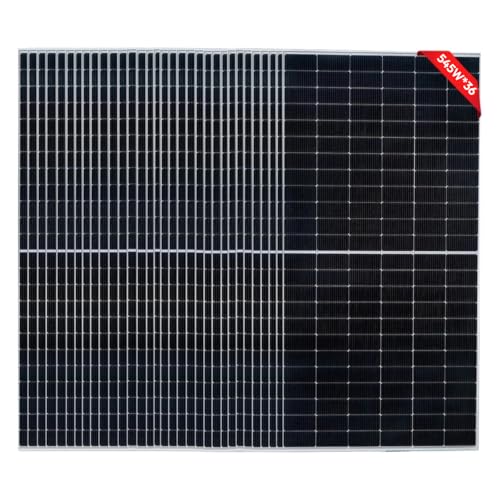
[Bifacial Technology] Designed to capture sunlight from both sides, this panel increases energy yield by up to 30%, making it ideal for various installations, including rooftops and ground mounts.

[Ideal Output Power-4.68Wh/day]: This 1200W solar panel complete system generates about 4.68KWh per day under 4 hours full sunlight condition, very suitable for home, shed, cabin, and it provides enough power for air condition, TV, refrigerator, coffee maker, microwave and other AC 110V/120V devices.
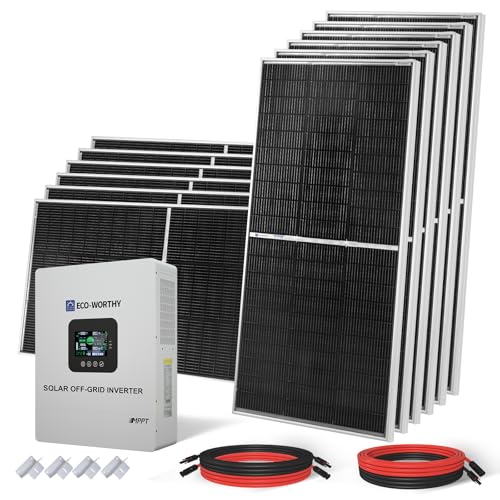
[Ideally Output of 9.36KWH] The power of 9.36KWh per day under 4 hours full sunshine by the 2340W solar panel system, very suitable for home, shed, cabin, farm or other energy backup, and it will provide enough power for portable ac, air condition, TV, refrigerator, coffee maker, microwave and other AC 110V devices.
When Do You Need a Dedicated Solar/PV Permit?
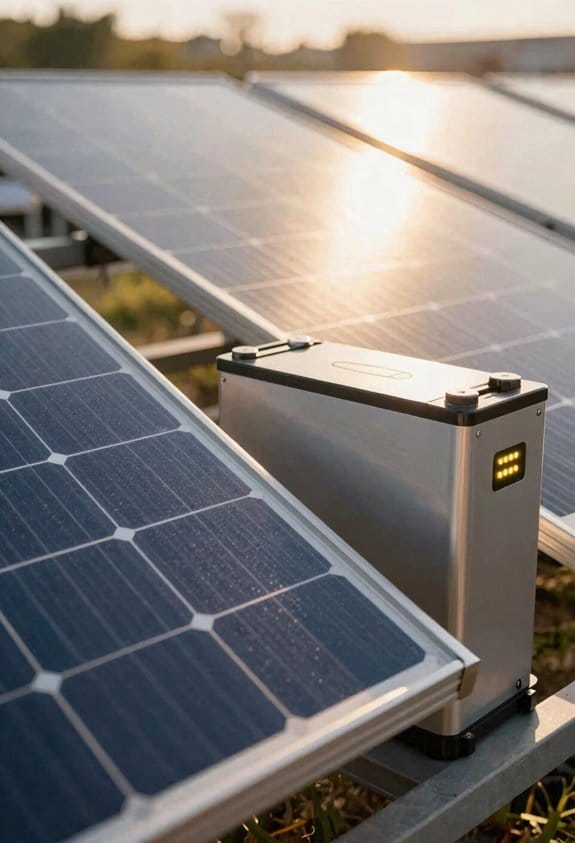
After completing the electrical checklist, I assess whether the project’s scope, system size, and interconnection method trigger the need for a dedicated solar/PV permit, which typically applies when the total installed capacity exceeds 10 kW, the array includes battery storage, or the design requires structural modifications beyond standard roof penetrations. I then verify roof integration details, confirming that mounting hardware and load‑bearing calculations satisfy local building code thresholds, because any deviation from standard penetrations mandates a building permit component within the solar permit package. I also examine insurance implications, noting that insurers often require proof of a dedicated permit to validate coverage limits for equipment damage, liability, and fire risk, which can affect premium calculations and claim eligibility. This systematic review guarantees compliance before any construction begins.
Recommended Products

[ Strong Adaptability ] ECO-WORTHY Mounting Bracket is 236"Lx39"W In. the front and rear pillars are 5.9 in higher, the front column is 13.78 in, and the rear column is 28.53 in,Which can better support 5*400W large Solar Panels.Suitable for home, farms, cabin and off-grid

Versatile Applicability: VEVOR 2 sets multi-piece solar panel mounting brackets support the installation of 4 to 8PCS solar panels. Single Bracket Recommended Installation Sizes: 4 panels (19.7 - 29.5 inch; 100W - 200W), 3 panels (29.5 - 39.3 inch; 200W - 300W), and 2 panels (39.4 - 58.3 inch; 400W).

★ Expandable & Compatible with Large Solar Modules Supports 2 large panels such as 300W/370W/415W/450W/500W/560W/590W per rack and can be easily expanded by connecting multiple racks together. Works with SUNGOLDPOWER and most standard solar panels.
Solar Permit Grid‑Connection Approval Process
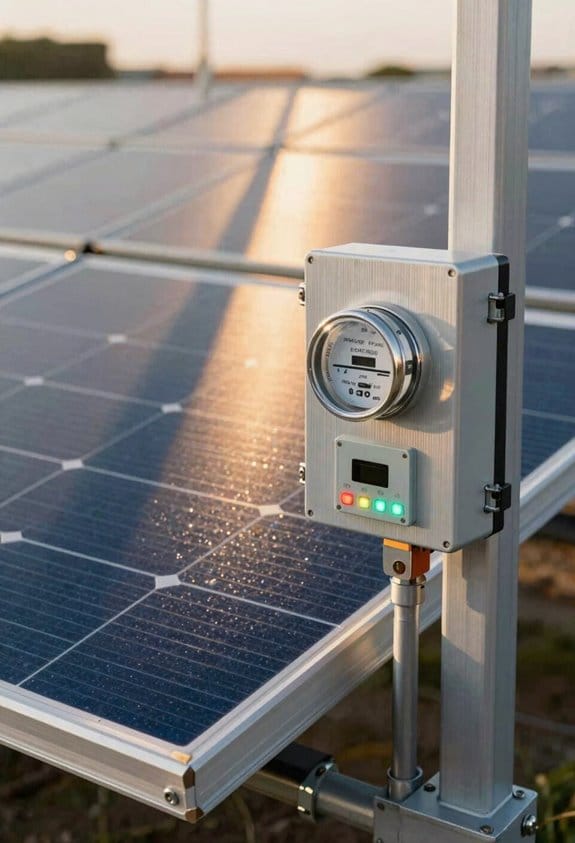
Secure the grid‑connection approval before any interconnection work begins, because the utility’s interconnection standards, IEEE 1547 compliance requirements, and local net‑metering rules dictate the sequence of documentation, testing, and review steps, and the process typically involves submitting a single‑line diagram, a performance‑ratio analysis, and a protection‑coordination study, all of which must be validated by the utility’s engineering department within a 10‑day window after receipt of the complete package. I then review the utility interconnection agreement, confirming voltage level, fault‑ride‑through criteria, and anti‑islanding settings, while cross‑checking the net‑metering agreements for export limits, tariff rates, and billing cycle alignment. The submitted protection‑coordination study must demonstrate selective tripping, coordination with existing feeder relays, and compliance with IEEE 1547‑2018 fault‑current contributions, ensuring that the inverter’s rated short‑circuit current does not exceed the protective device’s interrupt rating. Finally, the utility’s review team conducts a remote validation, issues a conditional approval, and schedules an on‑site inspection to verify wiring, grounding, and rapid‑shutdown compliance before final interconnection.
Solar‑Thermal Plumbing Permit Process (If Applicable)
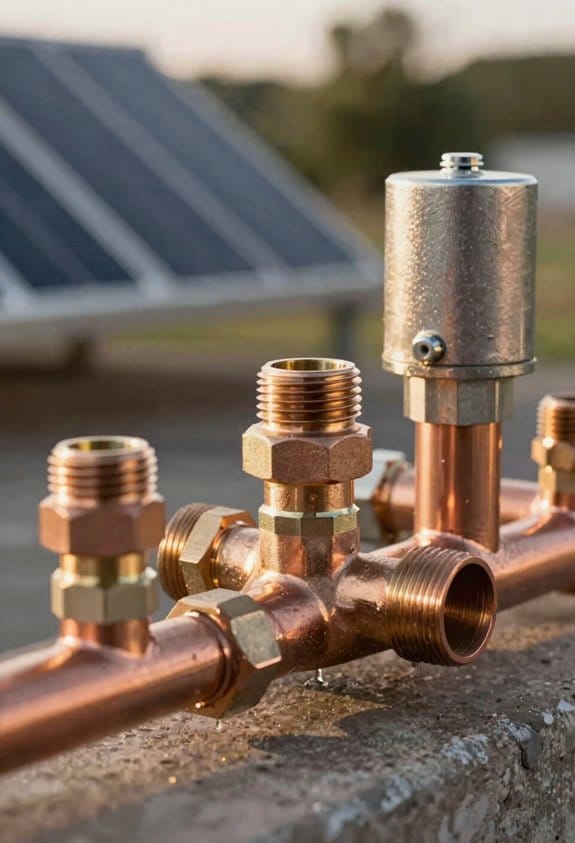
The grid‑connection approval I just described, which guarantees IEEE 1547 compliance and net‑metering alignment, leads directly into the plumbing considerations for solar‑thermal installations, because the water‑heat loop must meet both mechanical and fire‑safety codes while integrating with the building’s existing pipework, and the permit package consequently includes detailed hydraulic schematics, pipe‑size calculations based on a 4.5 gpm per ton rating, and material specifications such as copper‑II tubing with a 1/2‑inch minimum wall thickness, all of which must be reviewed by the local plumbing authority before any trenching or fixture installation begins. I verify that my plumbing licensing is current, that thermal equipment meets ASME standards, that system sizing aligns with load‑calc software, and that heat exchangers are rated for 150 °F inlet temperatures, ensuring compliance with municipal codes and preventing re‑inspection delays.
Solar Permit Licensing, Contractor Credentials, and Typical Timelines
When I evaluate solar‑permit licensing, I first verify that contractors hold state‑issued General Contractor licenses, a separate Electrical Contractor license for wiring work, and, where applicable, a Certified Solar Contractor license from the Florida Department of Business and Professional Regulation, each requiring a background check, a minimum age of 18, and successful completion of the NEC‑2020 exam, while also confirming that the contractor’s liability insurance meets the jurisdiction’s $1 million per occurrence threshold and that the professional engineer’s seal on structural calculations complies with the local building department’s wind‑load factor of 0.75 and snow‑load factor of 1.2. My contractor vetting process includes cross‑checking license numbers against state databases, reviewing insurance certificates, and ensuring all background checks are current, which shortens licensing timelines. Permit renewals typically occur every three years, requiring updated insurance and renewed background checks, and I track each deadline to avoid lapses.
Step‑by‑Step: From Drawings to Permit Seal
I’ve already confirmed that the contractor’s licenses, insurance limits, and background checks meet the jurisdiction’s requirements, so the next step focuses on preparing the complete set of drawings and engineering documents needed for permit approval. I begin by drafting a roof layout that shows module placement, racking dimensions, and clearance distances, then overlay wind‑load calculations, snow‑load factors, and uplift‑resistance values, each annotated with material specifications and safety factors, which I cross‑check against local building codes and the NEC. After finalizing one‑line and three‑line electrical diagrams that detail conduit routing, breaker sizing, and rapid‑shutdown circuitry, I attach structural analysis reports, inverter data sheets, and battery‑integration plans, ensuring every document is signed and sealed by a licensed engineer; if any item is rejected, I prepare a permit appeals package that includes revised calculations, compliance letters, and a concise narrative explaining the corrective actions.
Solar Permit Inspection Timeline: Pre‑Installation to Final Check
Following the submission of the complete permit package, the inspection timeline proceeds through distinct phases, beginning with a pre‑installation check that verifies compliance with structural load calculations, fire‑clearance setbacks, and rapid‑shutdown labeling, then moving to progress inspections scheduled after racking is secured, conduit is routed, and inverter is mounted, each inspection requiring documented evidence that wind‑load factors remain within 1.5 × code‑specified limits, that snow‑load capacity meets or exceeds 30 lb/ft² for the roof pitch, and that all wiring conforms to NEC Article 690, before finally culminating in a thorough final inspection that confirms grid‑connection approval, verifies battery‑integration safety interlocks, and issues a seal of compliance after reviewing the full set of sealed engineering drawings and inspection reports. I then walk you through roof access requirements, noting that each inspector uses a detailed inspection checklist that includes clearance dimensions, secure ladder placement, and safe work‑area signage, ensuring that every step from pre‑installation to final check adheres to code‑mandated specifications without deviation.
Frequently Asked Questions
How Do HOA Rules Affect Solar Permitting?
I’ve found HOA aesthetics and covenant enforcement can limit panel placement, requiring color‑matching or hidden mounts, and may demand board approval before I even submit any building or electrical permits.
Can I Install Solar Panels on a Historic Property?
I can install panels on a historic property, but I’ll need to follow historic guidelines and may qualify for preservation incentives, so I’ll coordinate with the local preservation board and review any special requirements.
Are There Exemptions for Small‑Scale Residential Systems?
I’ve found that about 15 % of tiny residential arrays skip full permits, because rooftop exemptions trigger under low permit thresholds. So, if your system’s under the kilowatt‑limit, you generally avoid the full building and electrical permits.
What Insurance Coverage Is Required for Solar Installations?
I recommend you carry liability insurance and a performance guarantees policy; the former protects against third‑party claims during installation, while the latter assures the system meets promised output and durability.
How Does a Homeowner’s Association Impact Grid‑Connection Approval?
Think of the HOA as a gatekeeper, shaping the view. I’ll tell you HOA approvals often hinge on aesthetic guidelines, so you must align panel placement and design with their visual standards.