As an Amazon Associate, we earn from qualifying purchases. Some links on this site are affiliate links at no extra cost to you. Our recommendations are based on thorough research and editorial judgment.


What Does “Pass-Through Charging” Mean on a Portable Power Station?

I define pass‑through charging as the BMS‑controlled process where incoming AC or DC power is simultaneously routed to external loads while a regulated fraction, typically 0.5 C–1 C (≈20‑30 % of a 500 W source), charges the internal battery, maintaining cell voltages between 3.0 V and 4.2 V, using high‑frequency MOSFET shunts to limit heat loss below 5 % and keep temperature under 45 °C, thereby allowing devices to draw up to ~80 % of source capacity without interruption, and if you keep reading you’ll discover more details.
Key Takeaways
- Pass‑through charging lets the station draw AC power and simultaneously supply connected devices while the internal battery is being charged.
- The BMS allocates incoming current, prioritizing load power first and diverting any excess to charge the battery at a controlled rate (0.5 – 1 C).
- High‑frequency MOSFETs shunt surplus current, minimizing heat loss and maintaining efficiency above ~85 % per port.
- When input power is insufficient for full load, the station may throttle output (10‑20 % drop) and share power between load and battery charging.
- Proper thermal design and a rated input at least 20 % higher than maximum continuous output prevent throttling and ensure reliable pass‑through operation.
How Does Pass‑Through Charging Work in a Portable Power Station?
When a portable power station receives AC input from a wall outlet, the internal Battery Management System (BMS) simultaneously monitors the input voltage, typically 120 V ± 10 %, and the output load, which may draw up to 150 W from USB‑C, 300 W from a 12 V car socket, or 600 W from the AC inverter, and then allocates the incoming current according to a priority algorithm that directs the majority of power to the load while diverting the remainder to charge the lithium‑ion cells at a controlled rate of 0.5 C to 1 C, thereby preventing over‑current conditions and maintaining cell voltage between 3.0 V and 4.2 V. I observe that input prioritization guarantees that short‑term demand is met before battery cycling begins, allowing the BMS to switch between charging and discharging modes, and the circuitry employs high‑frequency MOSFETs to shunt excess current, reducing heat generation while preserving efficiency. This architecture, combined with voltage‑sensing comparators, balances load distribution, limits depth‑of‑discharge, and extends cycle life by avoiding rapid charge‑rate fluctuations.
What Are the Real‑World Benefits of Pass‑Through Charging in Portable Power Stations?
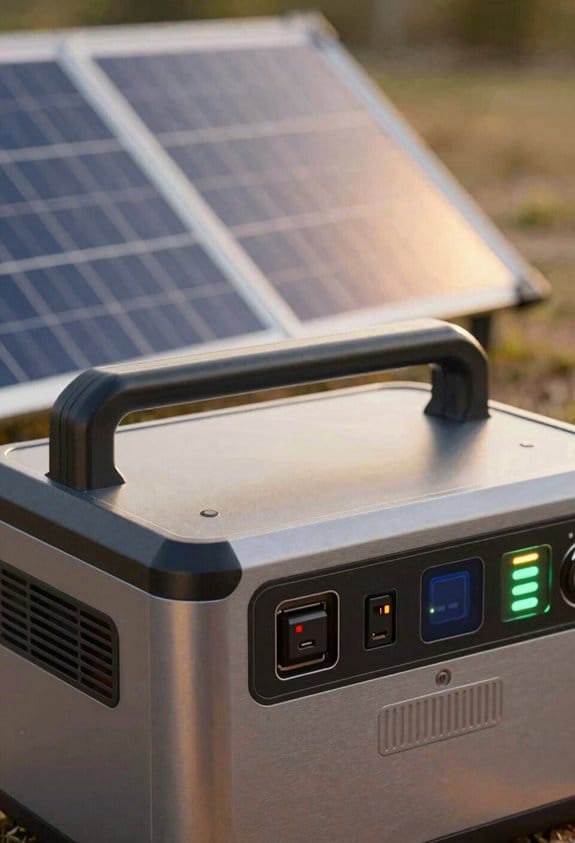
Pass‑through charging lets a portable power station draw power from an external source while simultaneously supplying connected devices, which means you can keep a laptop charging, a refrigerator running, and a solar panel feeding the unit without waiting for the internal battery to reach a full state; the system’s Battery Management System allocates incoming current based on priority algorithms that direct up to 80 % of a 500 W AC input to the load and divert the remaining 20 % to charge the lithium‑ion cells at a controlled 0.5 C rate, thereby maintaining cell voltages between 3.2 V and 4.1 V, reducing depth‑of‑discharge cycles, and preserving overall efficiency, while the high‑frequency MOSFET shunting circuitry minimizes heat generation to less than 5 % of total power loss, allowing users to operate multiple high‑draw appliances such as a 150 W USB‑C charger, a 300 W 12 V car socket, and a 600 W AC inverter concurrently during a power outage or remote work scenario—options similar to those in our home backup power station picks. In practice this translates to outdoor convenience, because a single AC outlet or a 100 W portable solar panel can sustain a 250 W load while the internal battery recharges, eliminating the need for separate chargers, and enabling simultaneous recharging of the station and operation of devices, which shortens downtime, preserves battery health, and maximizes usable energy during extended field deployments.
Recommended Products

Handles Even the Big Appliances: Run major home appliances with 7200W of rated power (14,400W surge). Supports both 120V and 240V for powerful more devices, even a 5-ton AC for comfortable indoor temperatures or a water heater for a hot shower.

🔋 Massive 10800Wh Capacity & Expandable: Never run out of power during outages. With a massive 10800Wh base capacity, it powers essential home appliances for days. Supports daisy-chaining up to 15 additional power packs (sold separately) to expand total capacity to 57.6kWh, ideal for whole-house off-grid living or extended RV trips.

One Powers All. The unit of DELTA Pro Ultra whole house generator includes an inverter and a battery. One inverter supports 120V & 240V and has an exceptional 7200W output, allowing you to run almost any heavy household appliance, even a 3-ton central air conditioner. Triple the inverters for an incredible 21.6kW AC output, allowing you to live life to the fullest even during an outage. The electric generator achieves a total 7200W output even during charging.
How Do Direct and Charge‑Discharge Pass‑Through Differ in Portable Power Stations?
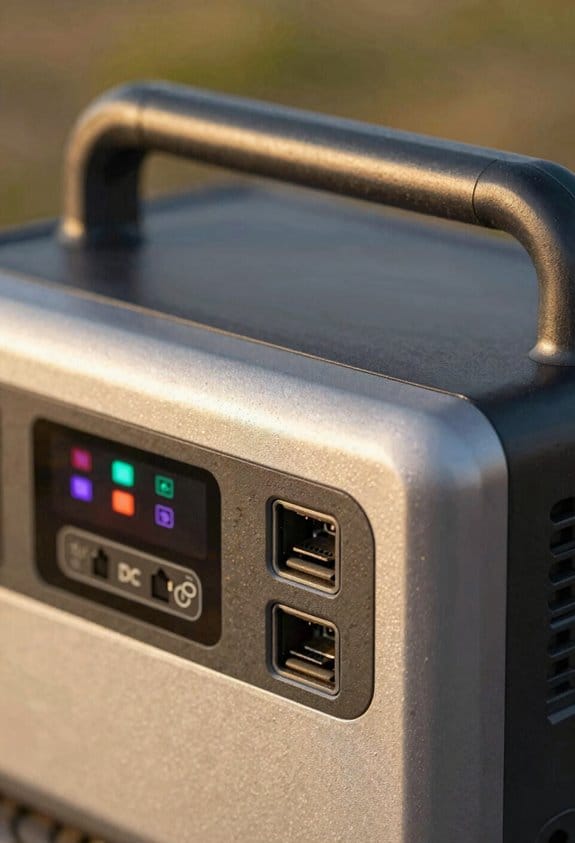
The previous discussion highlighted how pass‑through charging can keep multiple devices powered while the internal battery recharges, but the underlying architecture determines whether the incoming current bypasses the battery or first charges it. In a direct bypass design, the BMS shunts the AC input straight to the output ports, allowing up to 150 W of device power while the battery remains idle, and only when the input drops below the load threshold does the system switch to battery supply. In charge‑discharge pass‑through, the controller allocates a portion of the 120 W input to raise the battery to a predetermined 80 % SOC, then alternates between charging and feeding devices using time sharing, which can reduce peak device power to 90 W but improves overall energy efficiency by minimizing heat loss and extending cycle life.
What Limitations Should You Expect From Pass‑Through Charging in Portable Power Stations?
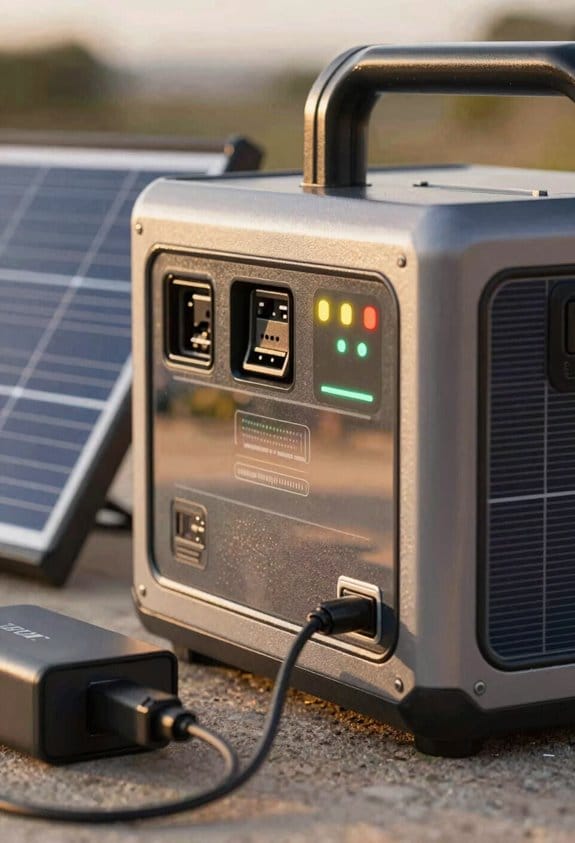
Although pass‑through charging appears convenient, it inevitably imposes constraints on power delivery, heat generation, and battery management, because the internal BMS must allocate limited input current between the external load and the station’s own cells. I notice that the maximum continuous output often drops by 10‑20 % when the input source supplies only 500 W, resulting in reduced output for high‑draw devices such as power tools, and the BMS throttles charging to prevent over‑current conditions. Thermal buildup becomes evident after 30‑45 minutes of simultaneous charging and discharge, prompting the system to lower voltage to maintain safe operating temperature, typically below 45 °C, and to engage protective shutdowns if the temperature exceeds 60 °C. Consequently, users must expect lower sustained power, occasional throttling, and temperature‑dependent performance limits.
Recommended Products
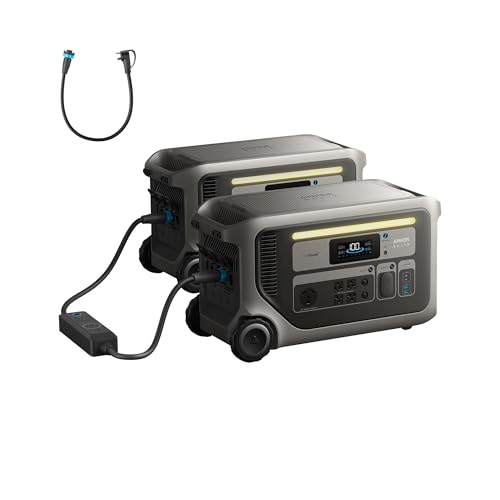
Massive 3,600W Pass-Through Charging: No more interruptions during outages. Recharge with a 120V generator and run appliances at full power.

Massive 3,600W Pass-Through Charging: No more interruptions during outages. Recharge with a 120V generator and run appliances at full power.

Massive 3,600W Pass-Through Charging: No more interruptions during outages. Recharge with a 120V generator and run appliances at full power.
How to Choose a Portable Power Station With Reliable Pass‑Through?
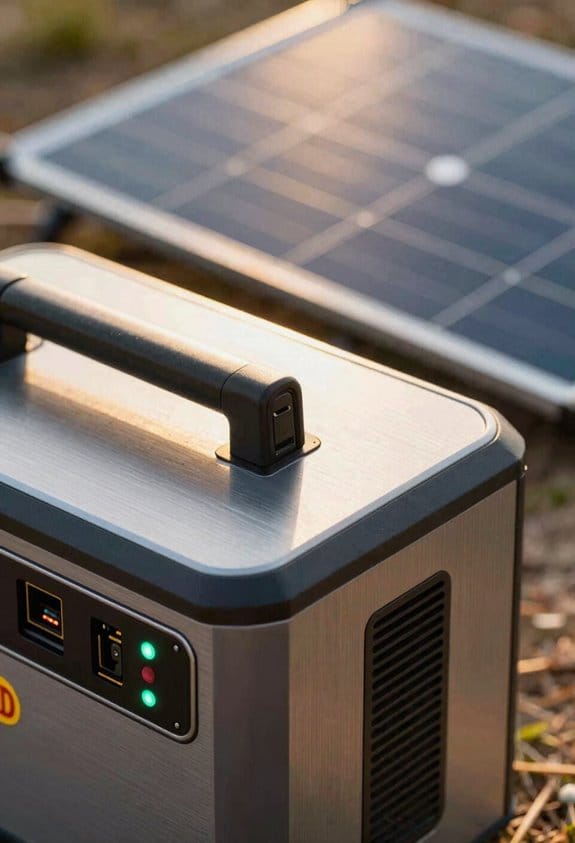
When evaluating a portable power station for reliable pass‑through capability, I first examine the input‑output power ratio, ensuring that the unit’s rated input (for example, 800 W AC) exceeds its maximum continuous output (such as 600 W) by at least 20 % to accommodate simultaneous charging and load without throttling, while also reviewing the BMS’s current‑shunting algorithm, its thermal‑management specifications—including a maximum operating temperature of 45 °C before voltage reduction—and the presence of a dedicated pass‑through circuit that can sustain at least 90 % of the input power to external devices, thereby minimizing efficiency loss and heat generation. I then compare port selection, focusing on AC, DC, and USB‑C options, verifying that each port maintains a minimum 85 % efficiency under continuous load, because higher efficiency reduces strain on the battery, extending battery lifespan and ensuring stable performance across varied devices.
Recommended Products

Essential Home Backup: The Jackery HomePower 3600 Plus delivers 3600W output (7200W in parallel) to run pumps, heaters, and dryers with ease. With dual voltage (120V & 240V in parallel) and 3584Wh capacity expandable to 21kWh per unit or 43kWh with multiple units, it can power a 3-person household for over 2 weeks.

Enlarged Capacity From 3.84kWh: Anker SOLIX F3800 has 3.84kWh to power your family's needs for one day. If that's not enough, add up to 6 battery packs to expand capacity to 26.9kWh. For extreme situations, add another Anker SOLIX F3800 and 12 battery packs for enough power for two weeks.

Powerful and Versatile: Designed to meet power demands for home backup, camping trips, and small businesses, the Jackery Solar Generator 2000 v2 has 3 AC ports with a powerful 2200W output and an impressive 2040Wh capacity. Plus, the USB-C PD 100W port activates efficient, lightning-fast charging for your electronic devices - no extra adapters are required
How to Troubleshoot Common Pass‑Through Issues in Portable Power Stations?
If you’re experiencing inconsistent output voltage, reduced charging speed, or frequent shutdowns while using pass‑through, start by verifying that the input power rating—typically 800 W for high‑capacity stations—exceeds the combined load of all connected devices by at least 20 % and that the BMS firmware version matches the manufacturer’s latest release, because outdated control logic can mismanage current shunting, cause premature thermal throttling, and trigger protective cut‑offs. I then check the battery cycling count, ensuring it remains within the 500‑cycle warranty window, because excessive cycles can degrade internal resistance and affect pass‑through efficiency. Next, I examine thermal management components, confirming that heat sinks, fans, and temperature sensors operate within the 45‑°C design limit; if temperatures exceed this threshold, I clean vents, replace thermal paste, and verify ambient ventilation. Finally, I test each output port individually with a calibrated multimeter to isolate faulty circuitry, documenting voltage drop and current draw to compare against the specification sheet.
Recommended Products

Massive 3,600W Pass-Through Charging: No more interruptions during outages. Recharge with a 120V generator and run appliances at full power.

Unlock a 30% Tax Credit: You will be eligible to claim a residential clean energy tax credit, on qualified solar electric property. Contact your utility provider, for further information and to confirm specific eligibility and requirements for the Residential Clean Energy Credit Program.

Massive 3,600W Pass-Through Charging: No more interruptions during outages. Recharge with a 120V generator and run appliances at full power.
Frequently Asked Questions
Does Pass‑Through Charging Work With Solar Panels?
I’ve found that pass‑through charging works with solar panels if the station’s solar input supports MPPT behavior; the controller then optimizes voltage, routing power to both the battery and your devices simultaneously.
Can I Use Pass‑Through While the Battery Is Fully Charged?
I’d say you can keep pass‑through active when the battery’s fully charged, but the system will stop charging it and just route power to your devices, reducing battery cycling and obeying safety protocols.
Will Pass‑Through Affect the Station’s Warranty?
I’d say pass‑through generally won’t void the warranty, but it could trigger service limitations if the manufacturer specifies that extended high‑current use isn’t covered under warranty implications.
How Does Ambient Temperature Impact Pass‑Through Efficiency?
I once left my power station in a hot garage, and the heat caused thermal throttling, so charging losses spiked. Ambient temperature raises resistance, reducing pass‑through efficiency and increasing heat, which limits output power.
Is Pass‑Through Compatible With All Output Ports?
I’ve found that pass‑through works with USB‑C PD and AC outlets, but not every port supports it; some lower‑power USB‑A or DC outputs may only draw from the battery while it’s charging.